Let’s talk about the conclusion first
First explain the areas that need improvement this time, and then list the room status, cleaning scope and immovable items; use the same list to confirm the quotation and work arrangement.
First determine what you want to solve this time
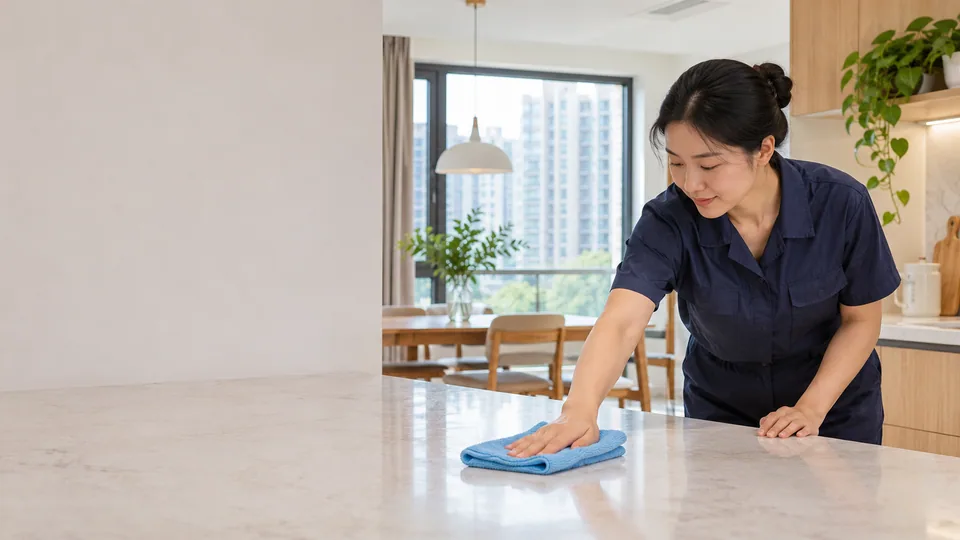
Home cleaning should not be just about cleaning the whole house. You can first explain whether this time is to maintain daily tidiness, focus on tidying up before guests come, or focus on dealing with it after a long period of not cleaning, and then list the three areas you care about most. In the same apartment, the actual work content will be significantly different if the number of residents, the number of items, and the last cleaning time are different.
Area can be used as a starting point for communication, but it cannot replace task descriptions. It is easier to judge the grease stains in the kitchen, the dirt in the bathroom, the position of the glass and the condition of the cabinets than by saying "dirty". If the main problem is too much clutter, you should also distinguish between classified storage and surface cleaning, and do not default to including both at the same time.
- Routine maintenance focuses on commonly used surfaces and fixed areas.
- Centralized processing requires separate accumulation issues and expected boundaries.
List tasks by room and mark priorities
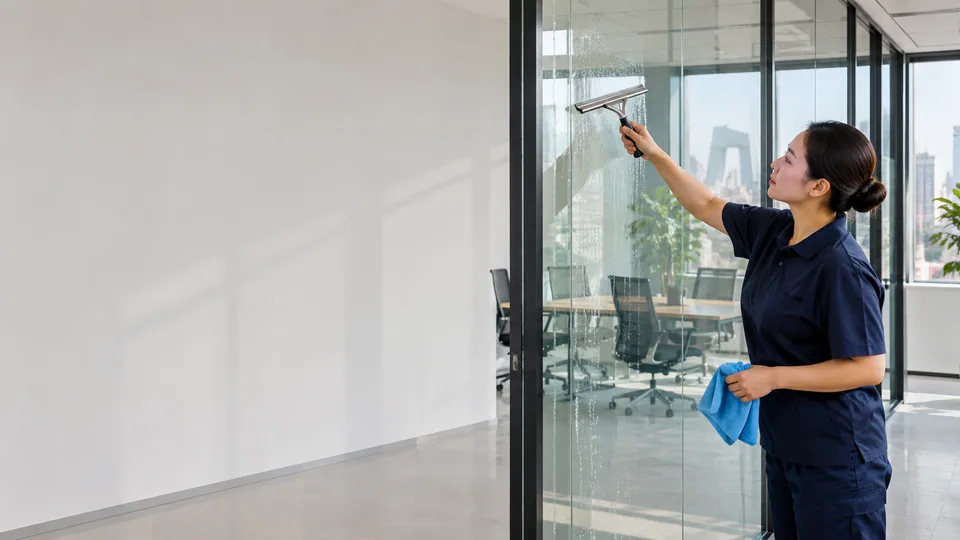
Floors, accessible countertops, and locations requiring special discussion can be listed separately from the living room, bedroom, kitchen, and bathroom. For installations inside cabinets, inside home appliances, outside windows or at higher locations, you should inquire individually whether we can accept them and what conditions are required. It is easier to check by clearly stating what is included and what is not included than by agreeing on a general cleaning level.
If available time is limited, tasks can be marked as required, deferrable, and pending. Complete the areas that affect this use first to avoid wasting time on small, unimportant details. If you find that the actual situation is different from the description after arriving on site, discuss the adjustment of the list first, then start adding new work, and do not leave the explanation of the changes until the end.
- List the specific location of each room, not just thorough cleaning.
- The special location must be confirmed first, and it is not presumed to be included based on the word "whole house".
Handle items and access conditions before cleaning
Valuables, documents and fragile ornaments can be properly stored at home in advance, and items that cannot be moved are clearly pointed out. Explain whether lightweight furniture can be moved, which cabinet doors cannot be opened, and how pet-related areas will be arranged. Special requirements for materials or equipment should also be informed in advance to prevent staff from deciding on treatment methods based solely on appearance.
It is also necessary to confirm the entry time, parking or access control, available water and electricity, the temporary location of garbage, and who is responsible for the final acceptance. If someone at home is working or resting, the rooms and available time periods that are temporarily unavailable should be marked. The clearer the preparation is, the more time you can actually have on site for the cleaning itself.
- Personal belongings are kept and stored at the discretion of the family.
- Access, parking, water and acceptance contacts stated in advance.
Accept along the checklist rather than based on overall impression
During the acceptance inspection, check the rooms and tasks one by one according to the pre-agreed rooms and tasks. First check whether the key areas are completed, and then check whether there are any omissions. Try to use normal usage scenarios and clear lighting, and do not change standards temporarily. Original conditions such as old scratches and material discoloration can be recorded before starting to avoid confounding conditions that cannot be changed through cleaning into the judgment of the results.
When a problem is discovered, point out the specific location, agreed items and how you want to deal with it, and confirm whether it can be rectified on the spot. If the content is outside the original scope, it will be discussed separately and will not be confused with the completed work. Keep a final list and necessary records so that you can reduce repeated communication and form a more appropriate maintenance schedule next time.
- Prioritize key areas and confirm missing locations one by one.
- The original status, cleaning omissions and new requirements are recorded separately.
Take this checklist with you
- This time the goals and key areas are clear
- Special locations and excluding tasks confirmed
- Personal belongings and entry conditions have been arranged
- Acceptance shall be carried out item by item according to the same list
You may also want to know
Can all work be determined by reporting the area?
It is also necessary to describe the room status, items, key locations and special tasks. Area cannot replace range confirmation.
Does cleaning include deciding what to throw away at home?
Don't default. It is up to the family to decide where to keep items, and storage and cleaning should be confirmed separately.